Language · Explainer
How to Evaluate a Korean Language Program in Three Layers
Separate the class you can attend, the support you can use, and the qualification that applies to teachers before you trust a program label.
SEE THE MOMENT.
GET THE CONTEXT.

FOOD. PLACES.
LANGUAGE. CULTURE.
Language desk
Useful Korean phrases explained through the exchanges where they belong.

Language · Explainer
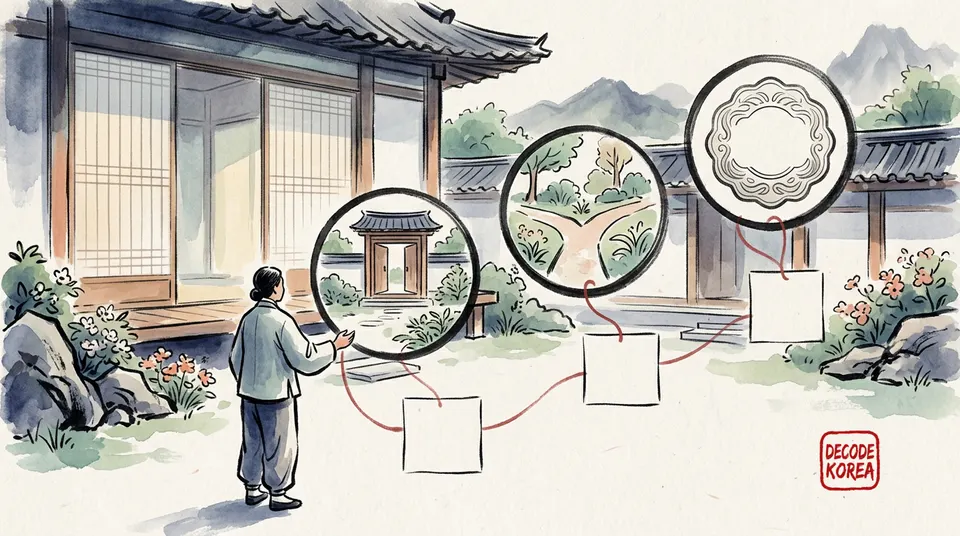
Three activity words tell you whether people will present, be sent somewhere to teach, or join structured training.
Language · Explainer
Separate the class you can attend, the support you can use, and the qualification that applies to teachers before you trust a program label.
Language · Explainer
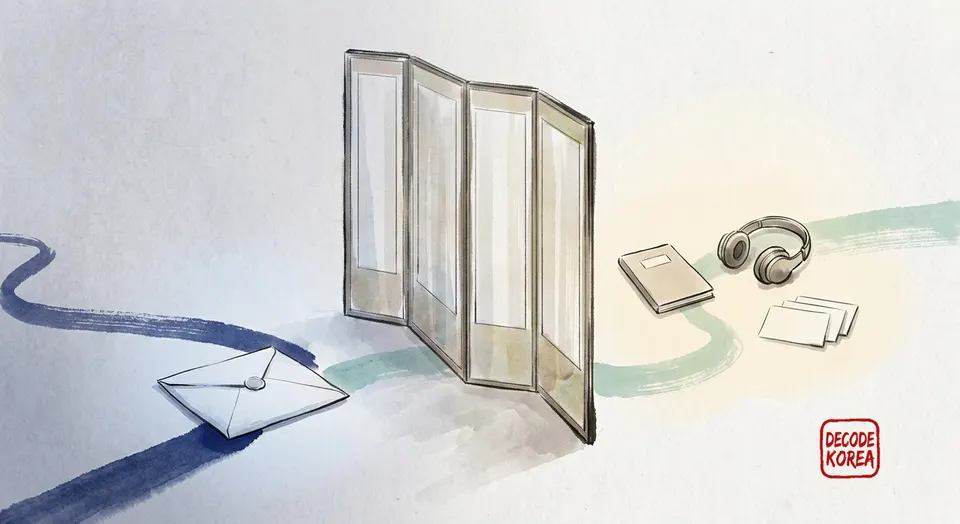
Treat the appointment notice and your study plan as two different documents. First identify what the issuing office requires; then choose preparation resources without letting them rewrite the official instructions.

Language · Explainer
Do not translate a finished English essay line by line. Build a small Korean argument from one issue, one claim, and reasons a reader can actually follow.

Language · Explainer
참가자 모집 opens an application stage, 참가 확정자 reports a selection stage, and 조사 실시 announces a survey action. The nouns look related, but they do not ask the reader to do the same thing.
Language · Explainer
Before you follow a date or application link, identify the head noun that tells you who the page is for and what activity it actually offers.

Language · Explainer
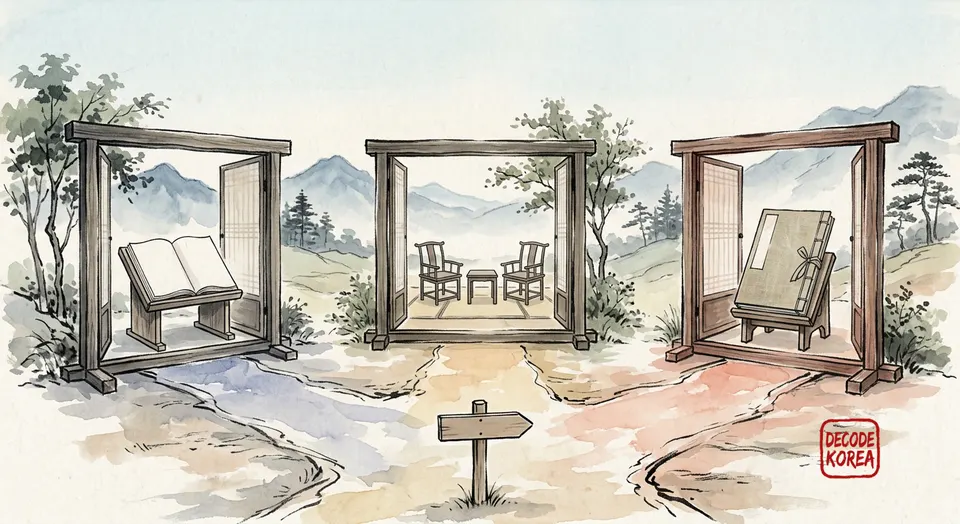
Education can mean a language class, a cultural orientation session, or professional teacher training. Find the audience and purpose before you follow the application details.
Language · Explainer
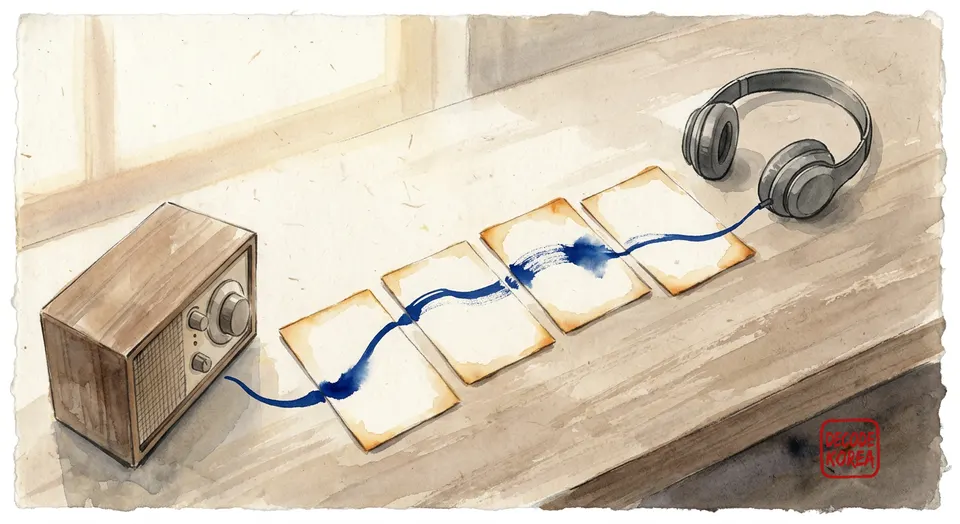
Use the date, publisher, headline, and one-sentence gist to turn a Korean news video into a bounded practice session.
Language · Explainer
A three-part notice check separates how you apply, how the class meets, and which course the announcement actually covers.

Language · Explainer
Before you apply, compare five operating facts: calendar intensity, skill coverage, placement, cultural components, and the current admissions path.

Language · Explainer
Before you register, check five things the course page can actually prove: delivery mode, level, weekly load, live availability, and completion rules.

Language · Explainer
Korea is dispatching more teachers, building new textbooks, and opening dozens of new King Sejong Institutes in 2026. That is a real national signal — not proof that a class opened near you.

Language · Explainer
Hangeul Festa 2026 asks non-Korean speakers to transcribe their own language's sounds into Hangeul. Korea's own Romanization rules do the reverse: writing Korean sounds in Roman letters. Learning both shows you what transliteration actually is.

Language · Explainer
Watching and listening isn't studying by itself. A few concrete techniques turn the same K-drama episode or K-pop song into real practice, without adding new content to your week.

Language · Explainer
Choose one structured course as your anchor, add a small daily practice loop, and check enrollment details before you turn a resource list into a schedule.

Language · Explainer
Treat 주세요 as the end of a request, then listen backward for the item or action that tells you what the speaker actually wants.

Language · Explainer
Learn how to treat 냉면 as a menu word, separate the base dish from the words around it, and use an English gloss without letting translation hide the choice you still need to make.

Language · Explainer
Learn what 주세요 does in a real exchange, how to attach it to a noun or verb, and why a clear polite request is more useful than a memorized one-word translation.