Read the head noun before the date
Here is how to understand Korean course and training labels: identify the goal noun and named audience before you act on any schedule.
A date answers when. It does not answer what the opportunity is. On a Korean page, first isolate the phrase that names the activity: 과정 for a course, 면접 for an interview, or 교원 for a teacher. Only then should you read the term dates, recruitment window, or upload date around it.
This order prevents a common routing mistake. A page can mention 한국어 and still be intended for teachers rather than learners. A video can mention a formal interview and still be preparation material rather than an official government instruction.
정규과정 routes you to a learner course
정규 means regular and 과정 means course or program. Kyung Hee University's International Education Institute describes its 정규과정 as a ten-week program offered in four terms for foreign nationals and overseas Koreans aged 18 or older. Its page says morning classes use grammar, listening and speaking, and reading and writing materials, with optional afternoon classes such as pronunciation, discussion, TOPIK, drama, and K-pop.
For the 2026 fall term, the page lists classes from September 21 through December 3 and shows different application cutoffs for specified nationalities and other applicants. Those are dated provider conditions, not a general definition of every 정규과정. Your reading task is to identify the learner audience first, then verify the current term, eligibility, fee, and application route on the live provider page.
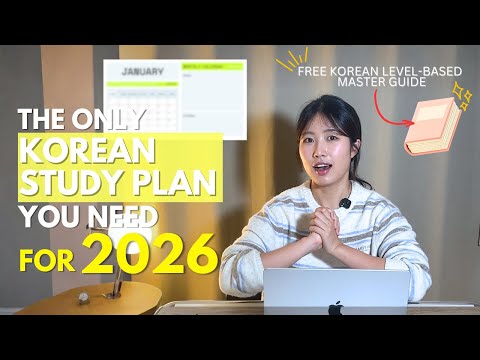 WATCH ON YOUTUBEThe Perfect Korean Study Roadmap for 2026
Open embedded player
Source: YouTube · HeyJiyeon · The Perfect Korean Study Roadmap for 2026 (Free Guide Included!)
귀화 면접 names an interview context, not the authority
귀화 means naturalization and 면접 means interview. The approved YouTube record is a Korean-language video published on August 10, 2026, with a title presenting an easy-to-understand August 2026 naturalization interview. Its transcript is unavailable, so this article does not claim which questions, rules, or procedures the video covers.
Treat the phrase as a goal label, then identify the publisher. Here the record is community educational video material, not an official citizenship decision or procedural notice. Use it, if useful, as preparation context; verify requirements, forms, dates, and legal procedure with the responsible government authority.
한국어교원 routes you to teacher development
한국어교원 means a Korean-language teacher. The National Institute of Korean Language's July 7 notice recruits participants for the 2026 university Korean-teacher 배움이음터, the institute's official name for Korean-education training sessions. The notice separates newer teachers with less than five years of experience from experienced teachers with five years or more.
The two tracks also have different emphases: the newer-teacher track names the future of Korean education through AI and education technology, while the experienced-teacher track names practical lesson design and material production using education technology. The recruitment period ran July 16–27, with participant notification planned for August 3. Those details make this professional development, not a general Korean class.
Use a three-question check
First, what noun names the goal: 과정, 면접, or 교원? Second, who is explicitly eligible: learners, interview candidates, or teachers with stated experience? Third, what action is offered: enroll in classes, watch preparation material, or apply for professional training? Write those answers before copying any date.
The three sources agree on one useful reading principle even though they are not equivalent authorities: the surrounding date becomes meaningful only after you know the goal and audience. Stop when the publisher's authority is unclear, the eligibility language is missing, or a video title is being asked to carry procedural facts that its approved record does not verify.