One date, two reader paths
The embassy notice does two jobs at once. It invites performers into a regional K-pop competition, and it locates that competition inside a public Korean culture festival in Stockholm. Those jobs share an event date, but they do not share the same timeline.
For a prospective competitor, the operational dates came first: the notice set the application deadline at May 31, 2026, at 23:59 and scheduled the finalist announcement for June 5. By August 22, that application path was already complete.
For a public visitor, August 22 and Kungsträdgården were the relevant anchors. Do not read an application form or finalist date as evidence that general festival visitors needed to enter the competition process.
Read ‘main stage’ as hierarchy
The official embassy language places K-POP Nordics on the Korean Culture Festival's main stage and connects the 2026 edition to the festival's 10th anniversary. That tells you where organizers placed the competition in the event hierarchy: it was an anchor program, not a detached event with no festival context.
It does not mean the competition was the entire culture festival. A main stage can hold the most visible scheduled program while the umbrella event remains broader. The Korean Cultural Center in Sweden's approved event record independently identifies the August 22 Korean Culture Festival frame.
For historical format context only, the same cultural center's English welcome video for the 2025 edition advertised K-pop alongside taekwondo, traditional music and dance, cultural activities, and Korean food at Kungsträdgården. That earlier record helps illustrate an umbrella-festival model, but it does not prove the 2026 program lineup.
That distinction protects both sides of the description. K-pop was central enough to receive main-stage status, while the surrounding event should not be reduced to a single competitive performance format.
 WATCH ON YOUTUBEKorean Culture Festival 2025 welcome
Open embedded player
Source: YouTube · Korean Cultural Center in Sweden · Korean Culture Festival 2025 welcome
Keep confirmed details separate from open questions
The two official records are strong evidence for organizer-controlled facts: the August 22 date, the Stockholm setting, and the relationship between the competition and the broader Korean Culture Festival. The embassy page adds Kungsträdgården, the application deadline, and the planned finalist-announcement date.
They are not evidence for a current artist lineup, the final order of performances, competition results, crowd size, audience reception, or what happened on site. Those details require a dated results page, live schedule, organizer update, or post-event report that is not part of this approved bundle.
This is especially important on the event date. A notice can remain accurate about the planned format while later operational details change. Use it to understand structure, then verify live logistics with the organizer.
EVIDENCE CHECK
Confirm, separate, verify
Scale each claim to the work the organizer notices can do.
- 01
Confirm
Use the official notices for the date, venue, application milestones, and main-stage relationship.
- 02
Separate
Keep competitor deadlines apart from public festival information.
- 03
Verify
Seek a current organizer update for live timing, access, lineup, results, or day-of operations.
Source: 주스웨덴한국문화원 · 2026 한국문화축제 개최 (8.22) · 주핀란드 대한민국 대사관 · 2026 K-POP Nordics Festival 일정 및 참가 안내
Choose the checklist that matches your role
If you were a participant, the useful archive is the application guidance: eligibility, submission requirements, deadline, selection notice, and any finalist instructions. The approved source confirms that applicants were directed to attached guidelines and an application form, but this article does not extend those materials into eligibility claims.
If you were a public attendee, your checklist was different: confirm the live program time, public access rules, weather plan, transport, and any capacity limits directly with the event organizer. None of those operational details is established by the stored evidence bundle.
The decision rule is simple: use the competition notice to understand the participant path, use the culture-festival notice to identify the public frame, and seek a current organizer update for anything that could change on the day.
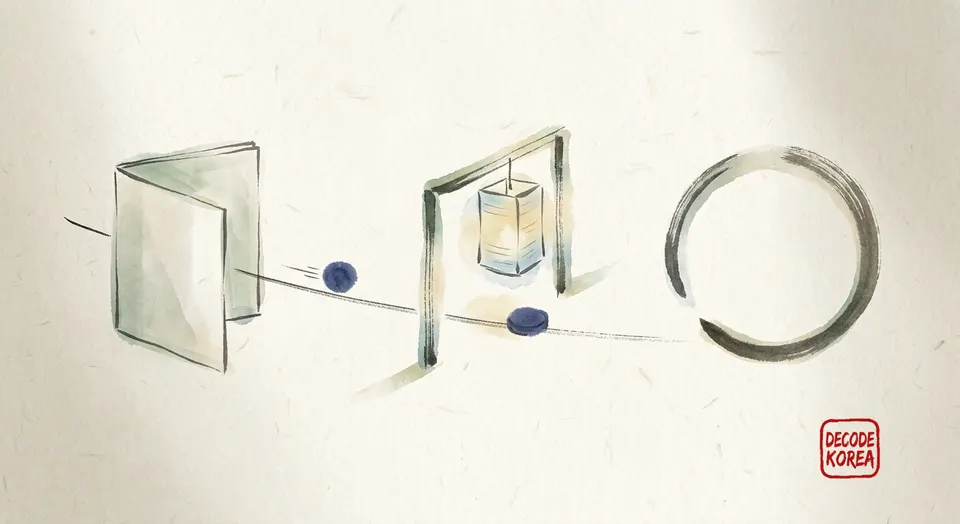
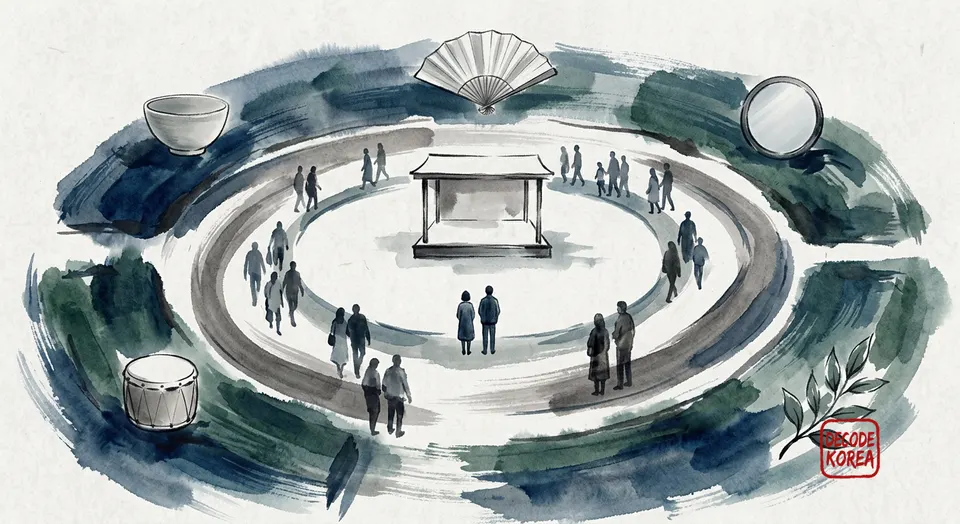
TWO READER PATHS
Competition process or public festival day?
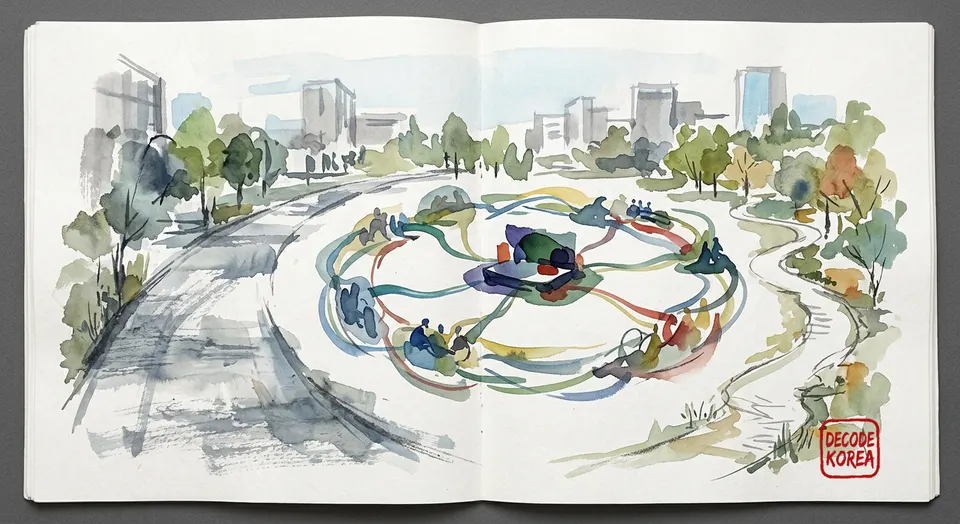
These symbolic illustrations separate the two information jobs without depicting the real event.
1 / 2
Source: 주스웨덴한국문화원 · 2026 한국문화축제 개최 (8.22) · 주핀란드 대한민국 대사관 · 2026 K-POP Nordics Festival 일정 및 참가 안내
What this festival structure reveals
Placing a Nordic competition inside a broader Korean culture festival gives one stage two functions. For competitors, it creates a regional performance goal. For the wider public, it turns K-pop into one visible entry point within an institutional cultural-exchange event.
That is a format observation, not a claim about Nordic fandom as a whole. Two government notices can show how organizers designed and described one event; they cannot measure what the audience valued, how local fan communities interpreted it, or whether the format represents other Nordic festivals.
Use the official structure as a map. Then keep the map's boundary visible: it explains who the program was for and where it sat, not everything that happened or everything K-pop means in the region.